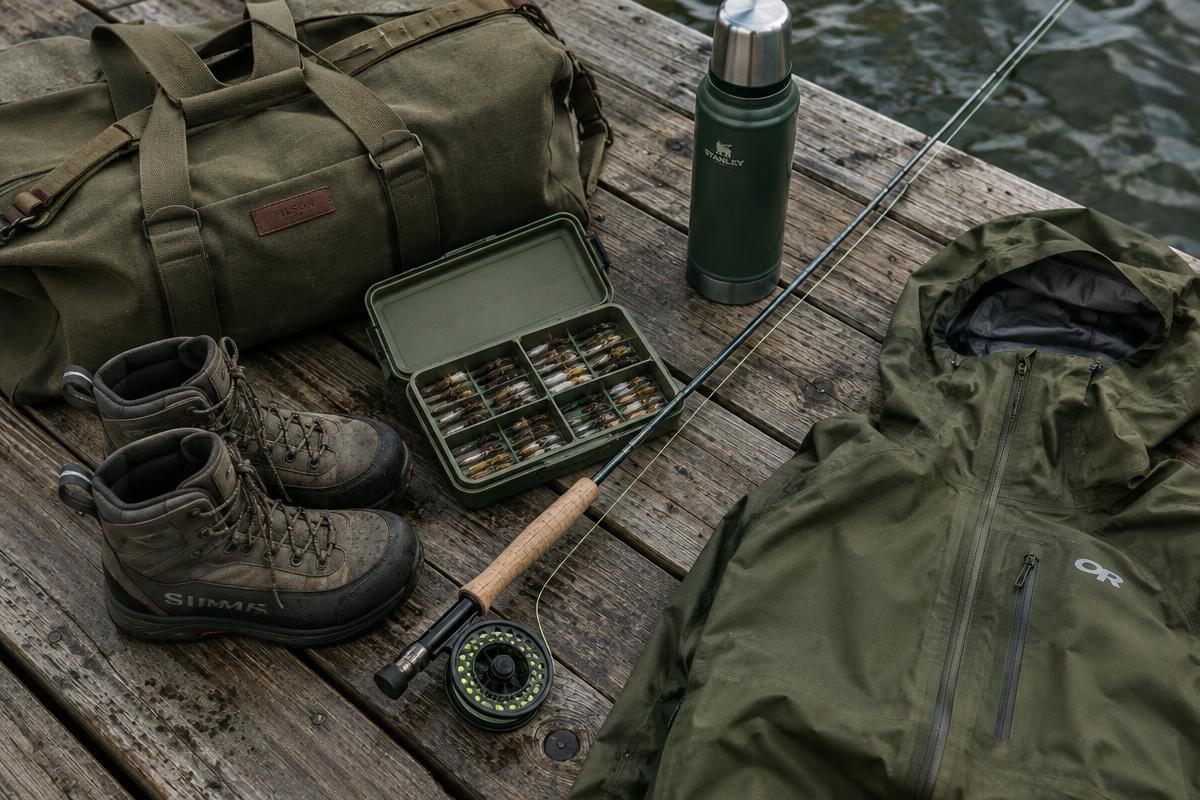
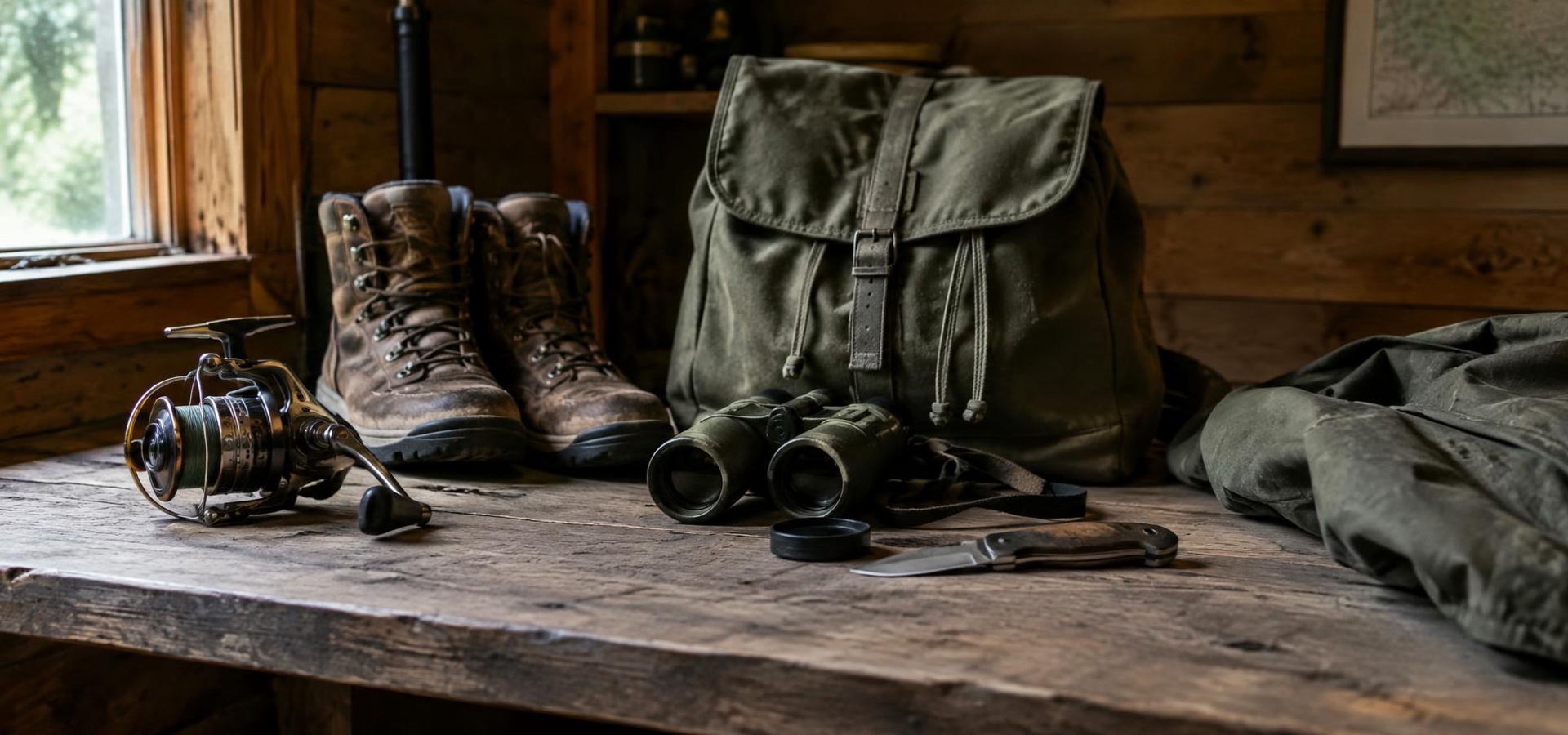
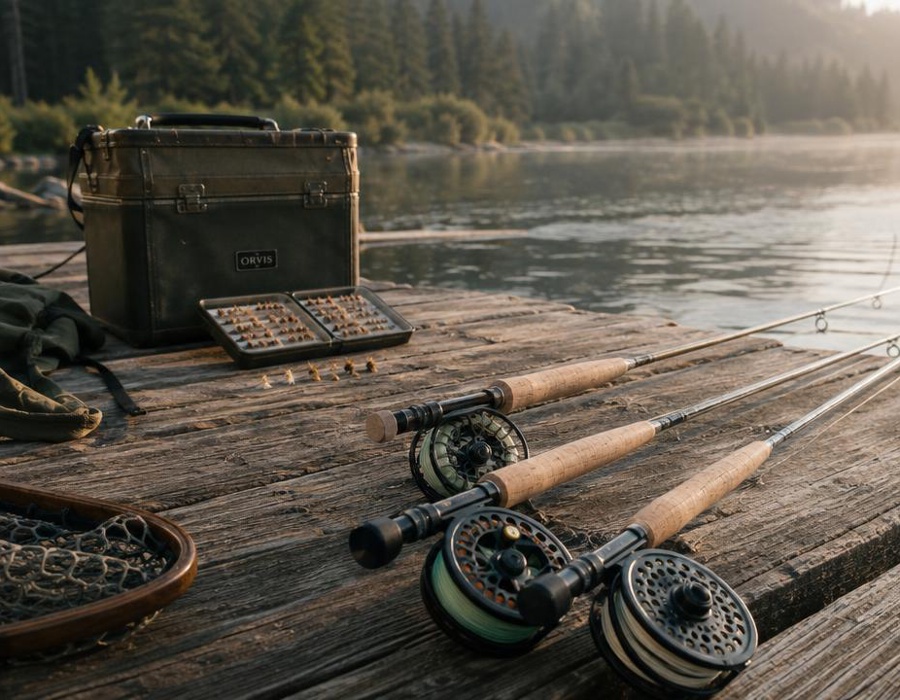
Fishing reel, leather boots, canvas pack and binoculars on a cabin workbench

Outdoor Gear

An Equipment Library, Not a Store

Plain-language explanation of what outdoor equipment categories actually do, how they are described, and what to consider before you buy.

U.S. Fishing & Hunting is an informational publication. We do not sell equipment, and we do not publish sponsored rankings. These pages describe categories, terminology, and buying considerations so you can evaluate gear on your own terms.

Equipment categories

Seven Categories Worth Understanding

Each category page explains terminology, what the equipment is actually for, and the questions worth asking before you spend money.

Two spinning rods leaning against a weathered wooden rail above calm water

Fishing Rods & Reels

Rods and reels are tools with specific jobs. Matching power, action, and line class to the fishing you actually do matters far more than the number of combos you own.

Practical notes

  • Medium power, fast action spinning rods cover most freshwater situations.
  • Rod length affects casting distance and leverage more than raw power does.
  • A smooth, serviceable drag prevents lost fish better than extra line capacity.
  • Spool fresh line at the start of each season; memory and abrasion cost fish.

Questions to ask

  • What species and average size will you target most often?
  • Will you fish from shore, a boat, or wading?
  • Can you buy replacement parts and service locally?
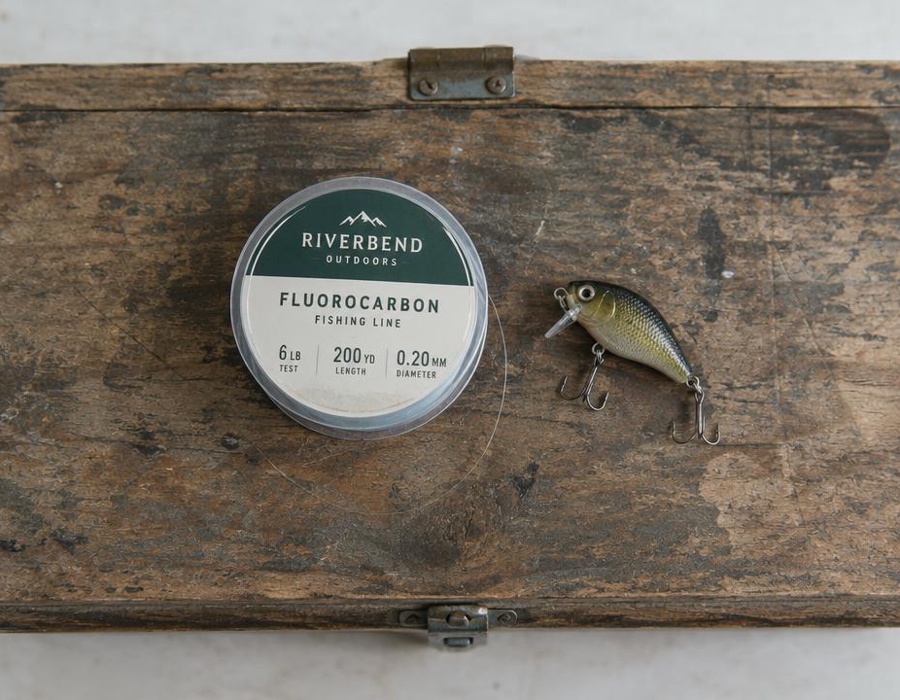
Organized tackle box with hooks, weights and lures beside pliers on a dock

Fishing Accessories

Accessories should solve problems you actually have. A small, well-organized kit outperforms a large box of duplicates you cannot find in the dark.

Practical notes

  • Carry terminal tackle that solves problems: hooks, weights, leaders, swivels.
  • Pliers and clippers prevent line damage and speed up releases.
  • A waterproof license holder keeps required documents intact.
  • Headlamp with a red mode preserves night vision and does not spook fish.

Questions to ask

  • Does the kit fit in one bag you will actually carry?
  • Are replacement hooks and weights easy to restock locally?
  • Will the box survive being wet for hours?
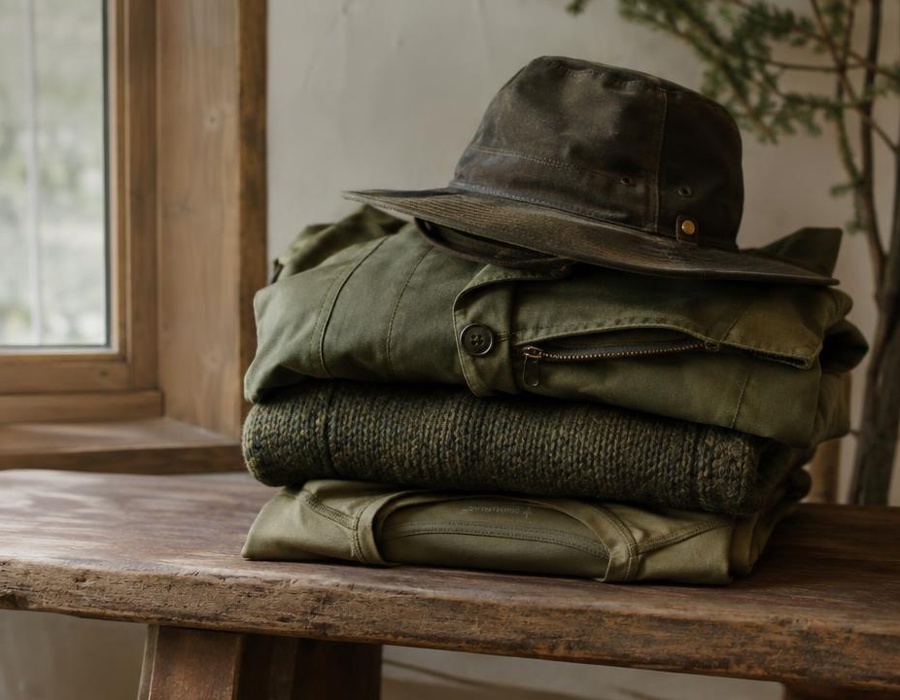
Folded olive canvas jacket, wool sweater and base layer on a wooden bench

Outdoor Clothing

Layering is a system, not a jacket. The goal is to manage moisture and temperature so you stay functional when conditions change faster than the forecast.

Practical notes

  • Choose synthetic or wool base layers; wet cotton pulls heat fast.
  • Waterproof shells matter more than heavy insulation for wet climates.
  • Earth tones serve double duty for hunting and general field use.
  • Carry one warm layer you never wear until you need it.

Questions to ask

  • Is the shell breathable enough for active hiking?
  • Do the pockets work with a pack waist belt?
  • Can the layers be worn together without restricting casting or drawing?
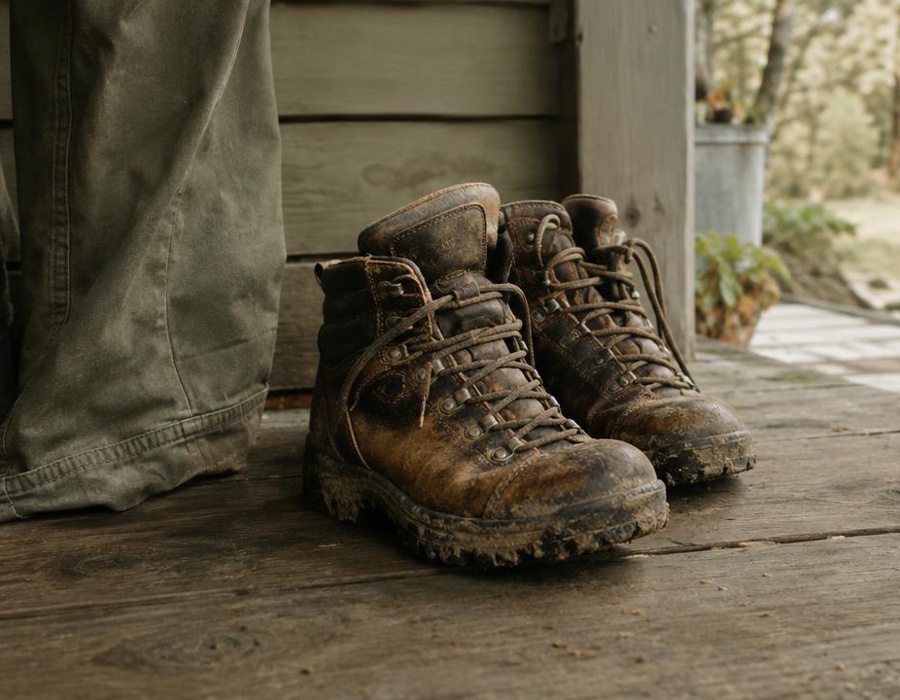
Worn leather hiking boots with mud on the soles on a wooden porch

Boots & Footwear

Your feet decide how far you go. Fit, sole stiffness, and waterproofing are the three variables worth spending time on.

Practical notes

  • Try boots on late in the day when feet are at their largest.
  • Lug depth matters more than brand for wet, muddy ground.
  • Break in new boots before a trip; blisters end weekends early.
  • Wet wading shoes need real soles, not just straps.

Questions to ask

  • Will you wade, hike, or stand in a blind?
  • Does the boot fit with the socks you actually wear?
  • Can the sole be resoled, or is it a disposable boot?
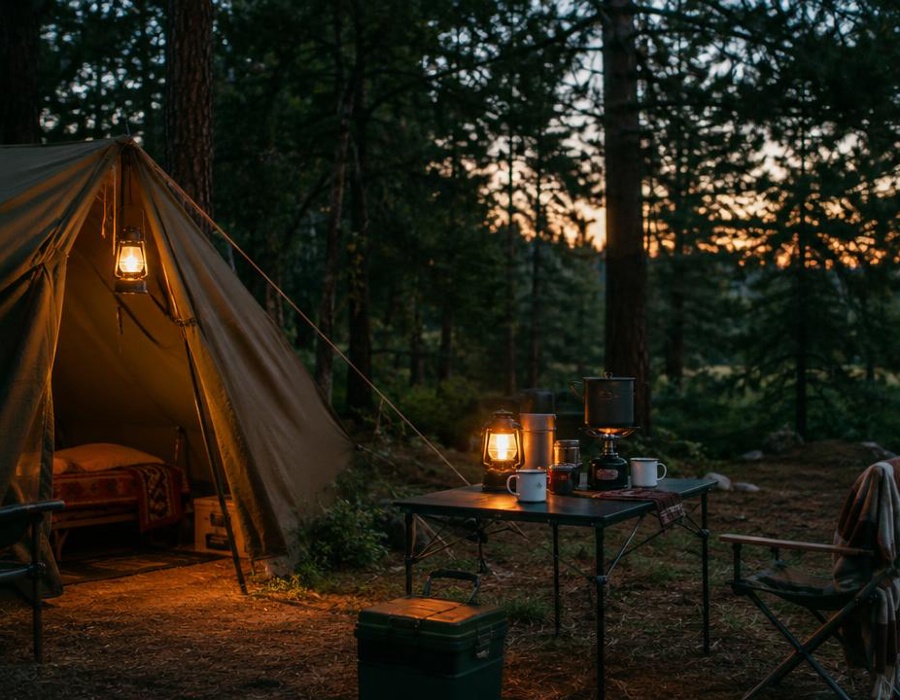
Small canvas tent beside a stone fire ring in pine forest at dusk

Camping Equipment

Camp gear for outdoor trips should be simple, repairable, and quiet. Elaborate setups fail in the rain; predictable ones do not.

Practical notes

  • A tent rated for one more person than sleeps in it stays livable.
  • Sleeping pads matter more than bag ratings for cold-ground comfort.
  • One reliable stove beats three complicated ones.
  • Store food properly; regulations differ by land manager.

Questions to ask

  • How cold and wet can conditions get where you camp?
  • Can you pitch it alone, in the dark, in wind?
  • Does it pack small enough for the vehicle you use?
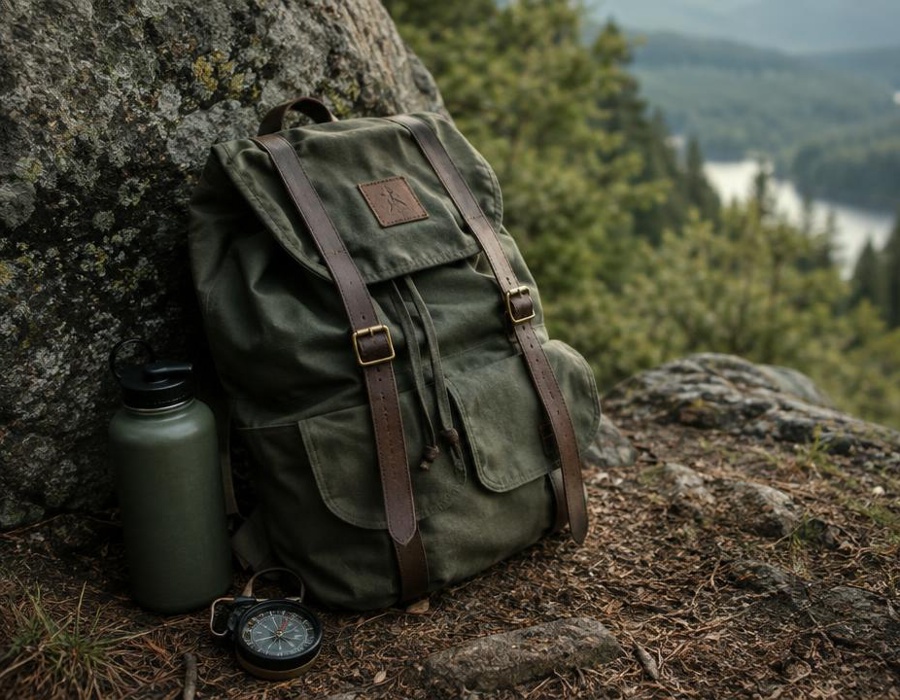
Olive canvas backpack leaning on a boulder with compass and water bottle

Backpacks & Outdoor Essentials

A pack is a carrying system. Fit at the hips, accessible storage, and a volume that matches your trip length matter more than feature lists.

Practical notes

  • Most of the weight should sit on the hip belt, not the shoulders.
  • Day packs in the 20–30 liter range cover most fishing and scouting trips.
  • Keep a fixed essentials pouch: light, fire, repair, first aid.
  • Bright interior lining makes finding gear in the dark much easier.

Questions to ask

  • Can you reach water and layers without taking the pack off?
  • Does the frame fit your torso length?
  • Will it carry a rod tube or a bow securely?
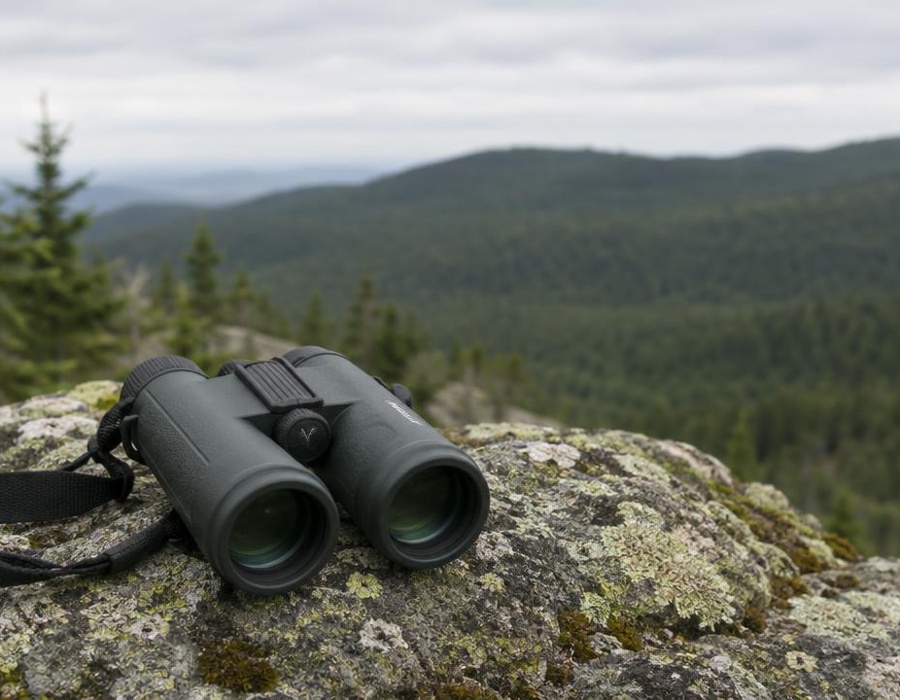
Field binoculars resting on a granite rock with a forested ridge behind

Binoculars & Wildlife Observation

Good optics extend your range and reduce disturbance. For most field use, a mid-priced 8x42 or 10x42 roof-prism binocular is the practical answer.

Practical notes

  • 8x magnification offers a wider field of view and steadier image.
  • 10x reaches farther but demands better technique in low light.
  • Objective lens size drives light gathering; 42mm is a versatile balance.
  • Waterproof and fog-proof construction is worth prioritizing.

Questions to ask

  • Will you glass open country or thick timber?
  • Does eye relief work with glasses?
  • Are the lens caps and strap usable in the field?

How to evaluate gear

A Simple Framework

Most outdoor equipment decisions come down to four questions: what the item must do, how often you will use it, whether it can be repaired, and how it fits you specifically. Specifications are useful only after those questions are answered.

  • Match the tool to the trip, not to an imagined future trip.
  • Prefer serviceable designs — replaceable soles, spools, and straps.
  • Fit beats features, especially for boots and packs.
  • Buy once, maintain always: clean, dry, and store gear properly.

We do not publish star ratings, sponsored rankings, or “best of” lists. Equipment reviews in this space are often commercial, and we would rather explain how to judge an item than tell you which one to buy.

A note on recommendations

No shopping cart, no checkout

U.S. Fishing & Hunting is an informational publication. There is nothing to buy here, no affiliate links, and no account to create. If you need equipment, visit a local shop where you can handle it — most will let you try before you buy.

No checkoutNo ratingsNo sponsored picks

Related reading

Equipment & Field Notes

All articles