Getting Oriented on a Saltwater Beach
A first visit starts with reading the shoreline, checking access, and noticing what the tide and waves are already telling you.
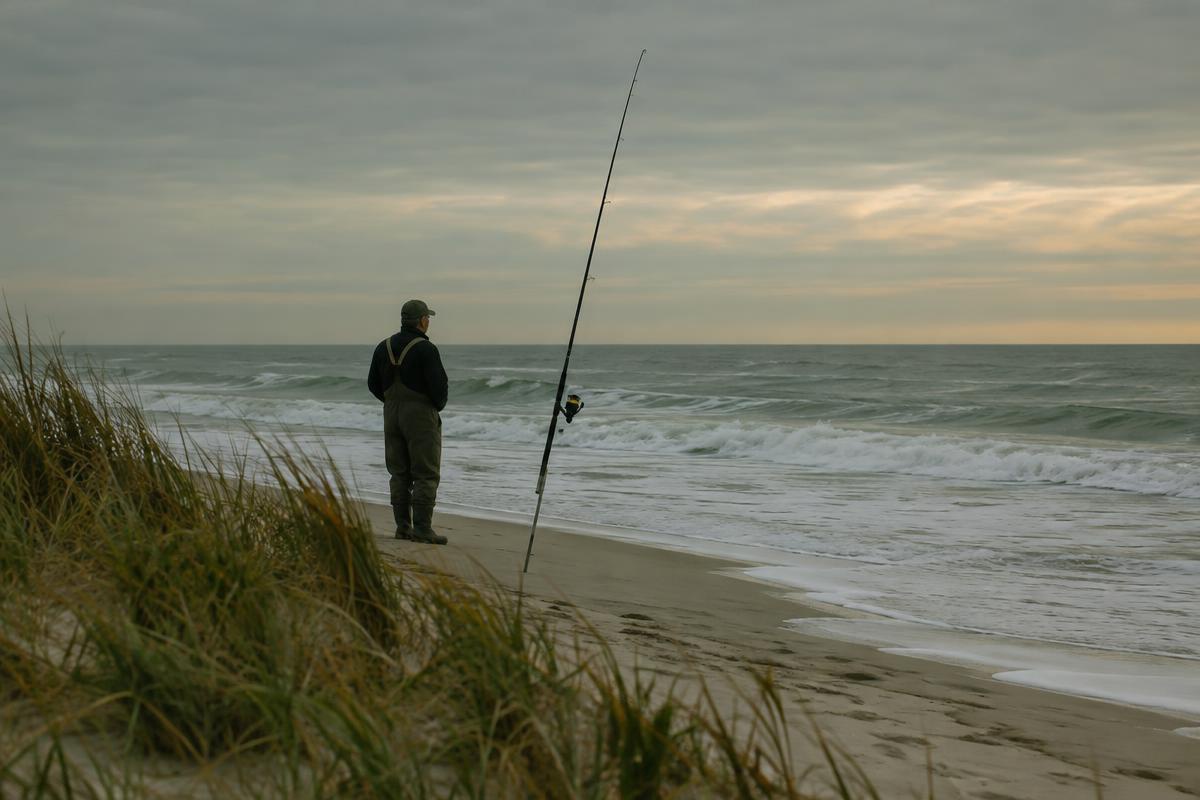
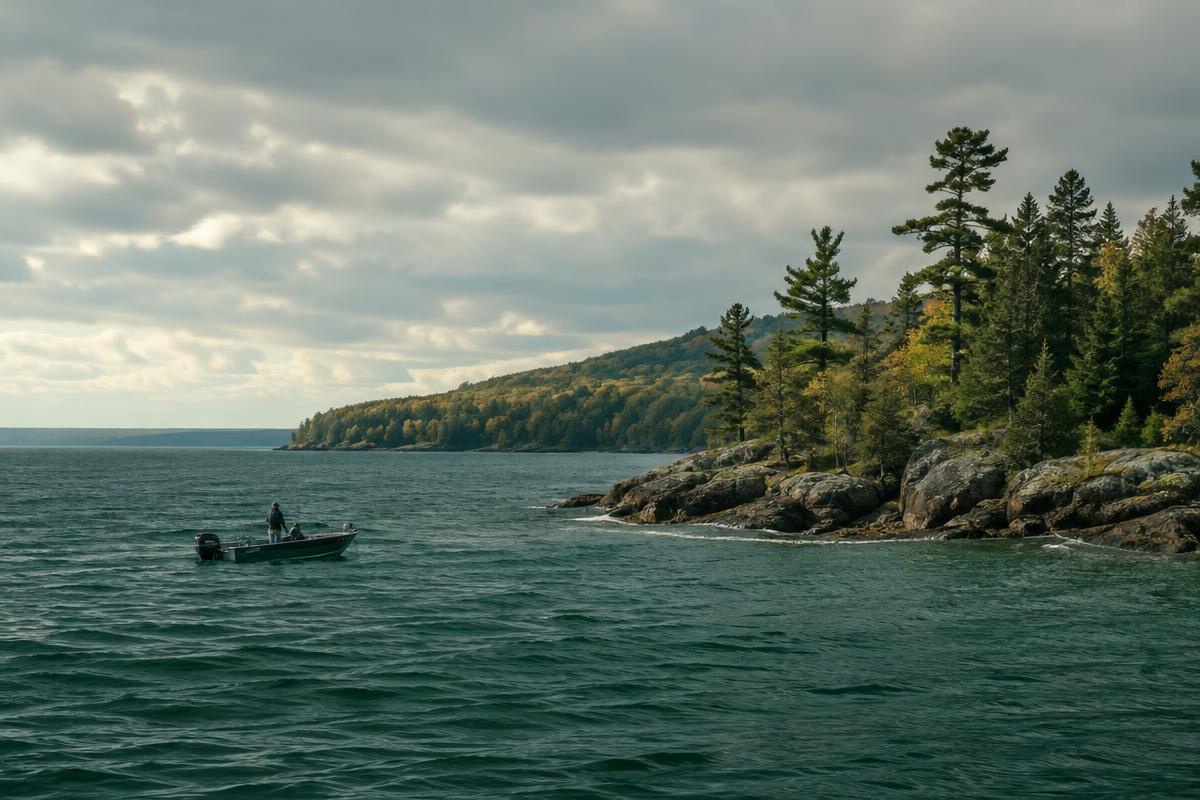
Angler surf fishing on an Atlantic beach at dawn with gentle breakers
Begin at the access point
Even though the beach may be open to public access not all roads or paths will lead to all areas of the beach. Be sure to know your access to and from the beach. Look for posted beach names and signs that state maximum access and any restrictions including those for parking on the beach. Also look for any private property restrictions including closed areas in the beach, dunes and wildlife areas. Stay on established paths to and around the beach to prevent causing damage to dunes and avoid threatening birds including sea turtles as well as other wildlife. Dispose of all waste including food, etc. properly and treat all animals with due respect, observe them from a distance.
Sticking to established paths to and around the beach will prevent causing harm to dunes as well as protect against potential threats to birds and wildlife including sea turtles. Dispose of all waste including food, etc. responsibly including carrying out of line, etc. Treat all animals with respect and allow them space as necessary.
Loose sand can cause damage and change often. Even on warm days, it can be very windy so be sure to bring light layers. Bring water, sun screen, phone (fully charged), small first aid kit, and somewhere to store your keys dry in case of unexpected extended time.
Match the tide chart to the beach
Most tide charts are printed for specific locations (or ‘stations’) and for particular dates and times. Make sure the chart you have is for the correct location, on the date and time you will be at the beach. Also, note that a harbor or an inlet several miles away from a beach can have quite different tides to that beach.
Watch your beach, not just the tide chart. If the beach looks to be filling with water (the wet edge is moving, there is foam on the sand, the path to your destination is getting narrower), then the tide chart for that harbor/inlet a mile or two away will not reflect the current conditions on your beach. Look for darker sand, pools, rocks and even channels that have washed out at low tide. These areas are slippery and can be unstable.
Remember, that the tide chart and the given time and date for a certain harbor or tide station also can be affected by wind, and by extreme and unusual weather. Therefore, there may occur higher water, and more wave action than indicated by the given prediction. Rely on the beach for more information and do not expect to cross a channel or to reach a bare sand patch, which has been exposed by low tide, later on.
Locate the farthest recent wave reach
Watch a few sets of waves to get a feeling of the size of them and then choose a location to sit and fish from. The highest recent wet line on the beach would show as damp sand with possibly washed up seaweed in the line of the highest water, foamy lines and even footprints in the water left by earlier beach-goers. One small wave looks tiny in comparison to the wave behind it. Repeated sets of waves can cause a ‘sand-box’ collapse, running down the beach as fast flowing water which can pull people away quickly.
Leave enough room for your return and keep all of your gear above the water. Do not attempt to set up in such a place that as the water rises you will be surrounded by it. Large waves can pull people away from the shore. Collapsing sand, sudden erosion or a strong current on return are all reasons to immediately leave the area.
Just because the highest ground appears to be near the water’s edge does not mean it is the best place to set up on. Look for dry ground and an open exit before setting anything down.
Keep a first outing easy to reverse
When planning your fishing activity, select a location that you can depart from within a reasonable time frame. Choose a location that does not require you to cross any water on your return and select a location that does not require climbing any dunes. Be sure to keep all of your fishing gear and line contained to prevent loss and to not block other people and animals using this area. Check local sources for information on seasonal closures and other rules and regulations that may apply to this area and its habitat.
Leave early if visibility deteriorates, there is a risk of thunder, ground becomes slippery or path narrows. Check water level on departure and return by same route as arrival not by a short cut across dunes or through a closed area.
A note on regulations
Fishing and hunting rules are set by state and federal agencies and change annually. This article describes general outdoor practice, not current law. Confirm licenses, seasons, limits, and access with the managing agency before you go.