What to Pack for a Two-Day Fishing Trip
A smarter weekend loadout separates essentials from contingencies, keeps rain and bait residue under control, and makes the drive home easier.
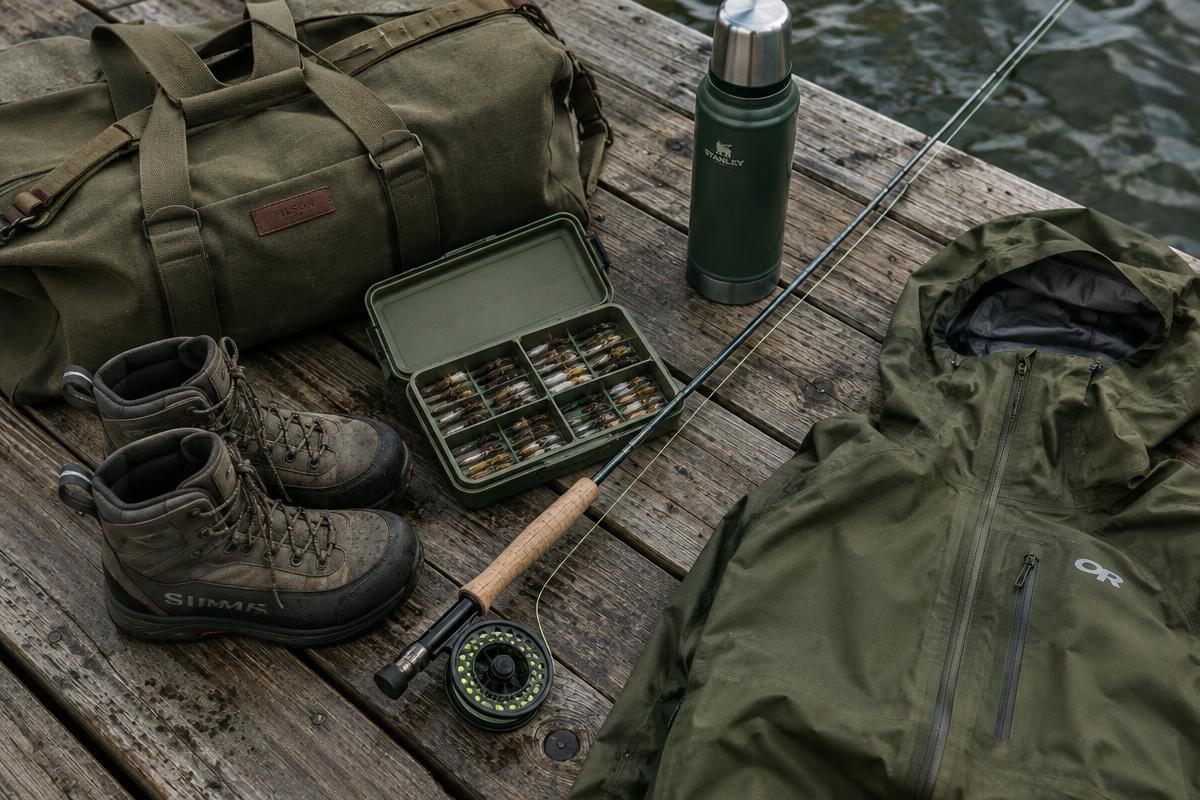
Fishing tackle, rod, wading boots and canvas duffel arranged on a weathered dock
Getting started
It’s easy to overpack for a two-day fishing trip, loading up your vehicle with everything you think you may possibly need. But wet coats, dead batteries, and over-stuffed tackle boxes can ruin a great trip very quickly. Packing usefully means having all of the gear you need for each day’s fishing easily available while at the same time protecting all of your clothing, food and vehicle from the elements. Your packing plan should take into account the launch time, the weather forecast, the type of shoreline you will be fishing from and whether you are planning to return to a cabin, campsite or motel for the night.
Keep it Organized - Start with a Dry-Bag System
Use a dry bag or a number of smaller waterproof bags instead of a huge duffel bag. A roll-top dry bag is the best type of bag to use for this kind of application, because they are strong and can hold a lot of gear. Look for a bag that you can easily carry when it is full of all of your gear. Then use a number of smaller waterproof pouches to hold items like your phone, wallet, keys, etc. Also, be sure to include a first aid kit in your bag of choice.
First divide up the things you need to bring into three categories of things you need for fishing, for camping/lodging and for clothes. Store licenses etc. in a sealed pocket of your dry bag. Remember to check if the current rules for a public lake or river are different from the rules from last season that are printed on your license. Don’t seal up damp clothes in your dry bag with your clean clothes – even a dry bag can’t make wet clothes dry!
Pack rain layers for movement and changing weather
A waterproof outer layer is generally lighter and better to wear than an insulated jacket. Choose a mid layer such as fleece as well as a number of moisture wicking shirts that can be worn on their own or in combination. Quick drying pants and a spare pair of socks are also worth packing. Choose footwear with good grip for use on banks, and make sure they are big enough to wear with socks.
A poncho is light to carry and very cheap. In most instances it is more than sufficient to give the person and their pack a good shower. However, it doesn’t give the same degree of control as a waterproof jacket and trousers when moving around on the bank, casting, walking or even using a small boat. A brimmed cap, some sunscreen, insect repellent, some sunglasses and a warm hat for cooler weather are also worthwhile to carry.
Divide tackle and supplies by day
For a believable weekend plan, start with a short first evening on the water. Pack that night's fishing for the short trip to the water's edge in a small working pouch. Next day, use the same pouch for packing the relevant species for the day's water type. Fill the rest of the main kit with the rest of the species for that day's type of fishing.
On the other hand, personal items such as drinking water, food, medications, toiletries, hand cleaner, garbage bags, power source for phone or other electronic devices, first aid kit, etc. are all best kept in a separate list than tackle. Include polarized glasses and a small flashlight for walking around after dark. And pack food in separate container to keep odor of bait away from rest of gear in vehicle.
Keep wet gear out of the car
These items should be carried in a lidded plastic tote or a heavy duty wet bag. A drainable container is better than a suitcase made of fabric. A cheap contractor bag makes a great liner for such a container. Do not seal up damp gear for an extended period of time and make sure to give it a chance to dry out as soon as possible at your destination or back at home.
Packing for the unusual event that may occur instead of packaging for the normal mess of wet socks, leaked bait containers, loose hooks and a buried cell phone is key. A simple check list on the side of a vehicle door can ward off these types of problems and prevent a whole weekend of fun from becoming a cumbersome move.
A note on regulations
Fishing and hunting rules are set by state and federal agencies and change annually. This article describes general outdoor practice, not current law. Confirm licenses, seasons, limits, and access with the managing agency before you go.