Largemouth & Smallmouth Bass
Warm lakes, reservoirs, rivers
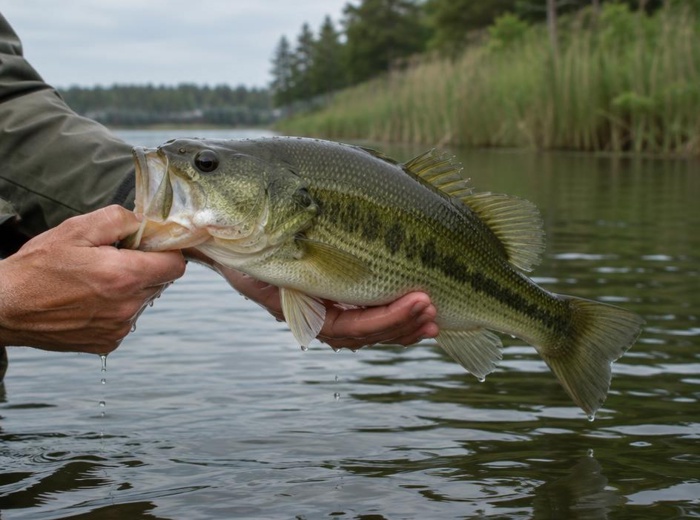
The most widely pursued freshwater gamefish in the country. Largemouth prefer cover and warm shallow water; smallmouth favor rock, current, and cooler temperatures.
Independent outdoor journal/Est. 2004
Fishing
Freshwater and saltwater fundamentals, species profiles, regional destinations, and the responsible practices that keep fisheries healthy.
Fishing in the United States is a set of regional traditions more than a single pastime. A northern walleye angler and a Gulf Coast redfish angler share equipment categories and almost nothing else. These pages are organized to help you move between those worlds.
Stillwater & streams
Freshwater is where most American anglers start, and where many of them stay. The country holds an extraordinary range of freshwater habitat: glacial lakes in the north, high-desert rivers in the west, warm reservoirs in the south, and spring creeks in the Midwest.
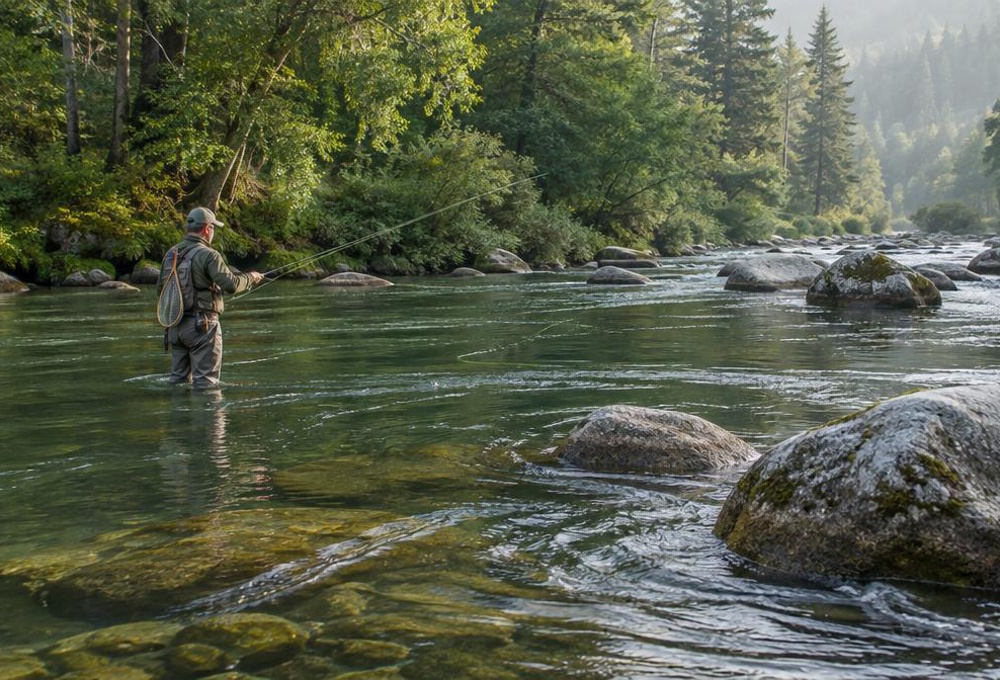
The single most useful skill is reading water. In a lake, look for structure: points, weed edges, drop-offs, and submerged timber. In a river, look for seams and pockets where current delivers food while sheltering fish from its force.
Tide & coast
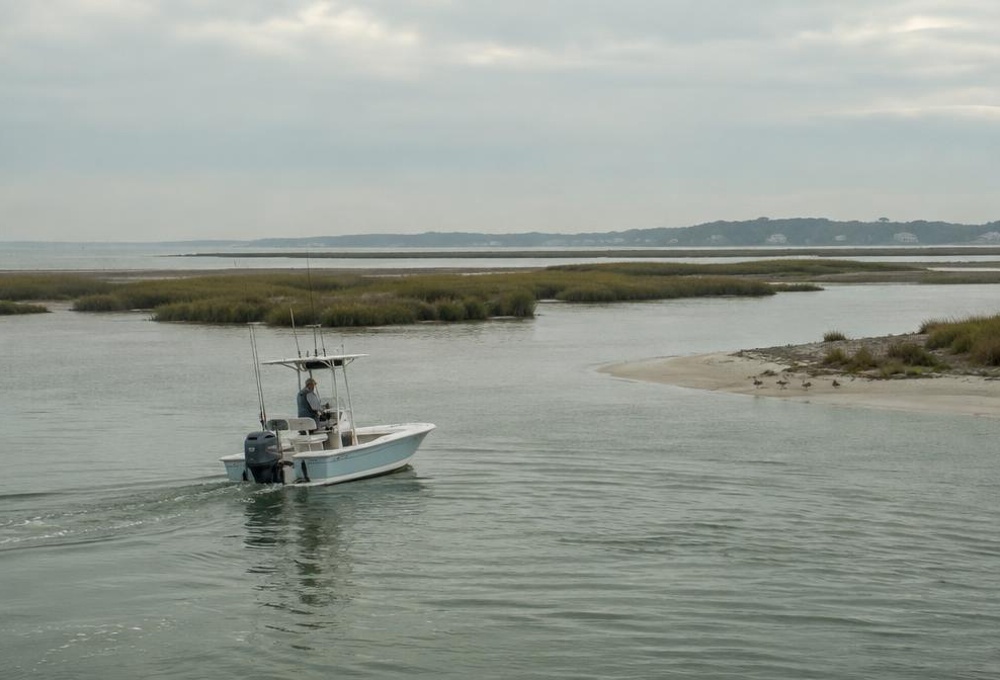
American saltwater ranges from the rocky shore of Maine to the Gulf flats of Texas to the cold Pacific coast. What connects these fisheries is tide: moving water concentrates bait, and bait concentrates predators.
Surf anglers read bars, troughs, and cuts. Bay anglers work grass edges, channel drops, and dock structure. Offshore fishing is largely a matter of temperature breaks and structure in deep water, and it demands more preparation and a seaworthy boat.
Where to fish
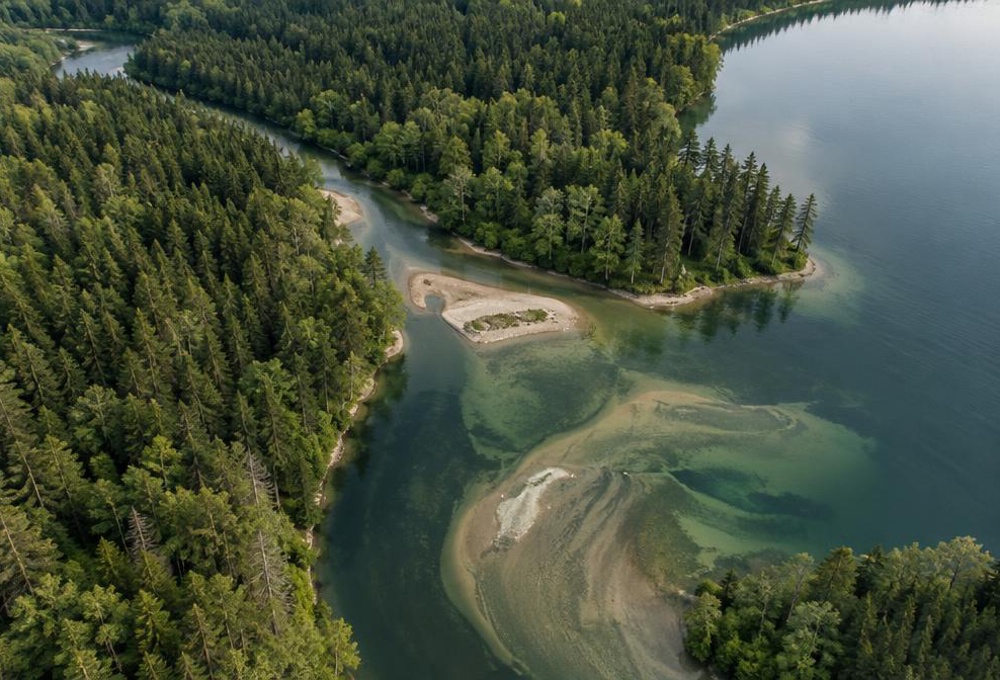
A lake is a puzzle of depth and cover. A river is a conveyor belt of food. Understanding that difference shortens the learning curve on any new water.
For lakes, start with a contour map and identify three or four structural features. For rivers, start at an access point and walk upstream, reading the surface. Fish the obvious water first, then the water everyone walks past — the shallow tail of a pool, the seam behind a bridge piling, the foam line in an eddy.
Species profiles
Four groups that account for a large share of American freshwater fishing. Habitat tells you where to look; behavior tells you when.
Warm lakes, reservoirs, rivers
The most widely pursued freshwater gamefish in the country. Largemouth prefer cover and warm shallow water; smallmouth favor rock, current, and cooler temperatures.
Cold streams, tailwaters, mountain lakes
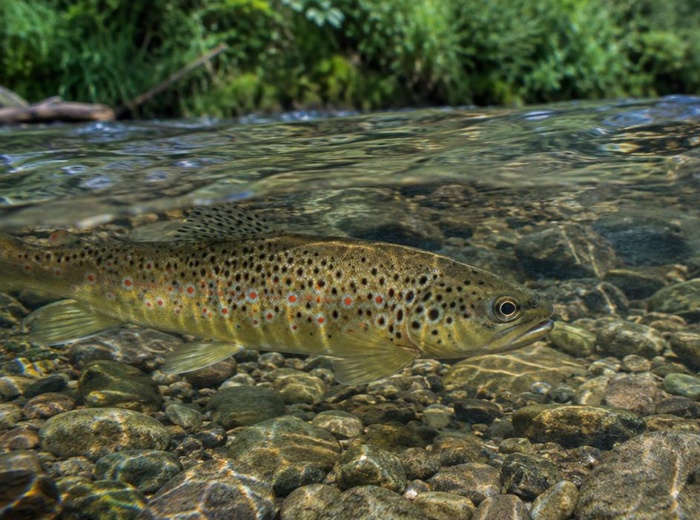
Rainbow, brown, brook, and cutthroat trout occupy cold, clean water. They are sensitive to temperature and sediment, which makes them reliable indicators of watershed health.
Northern lakes, large rivers, reservoirs
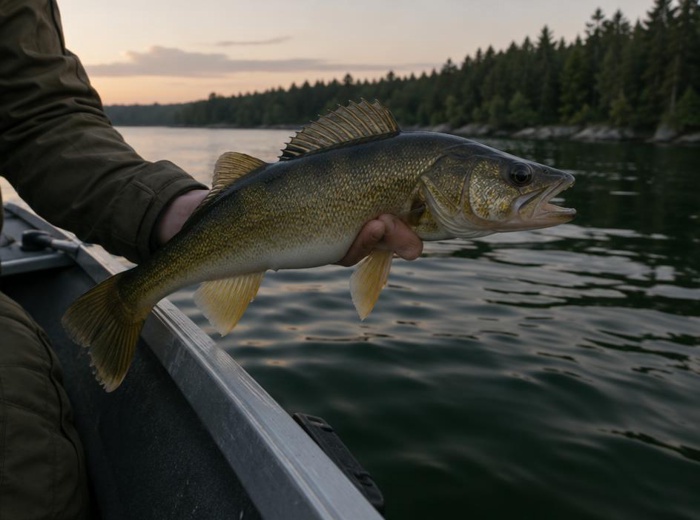
Low-light predators that relate to structure and depth. Walleye move shallow at dawn and dusk; yellow perch school in weed edges and open basins.
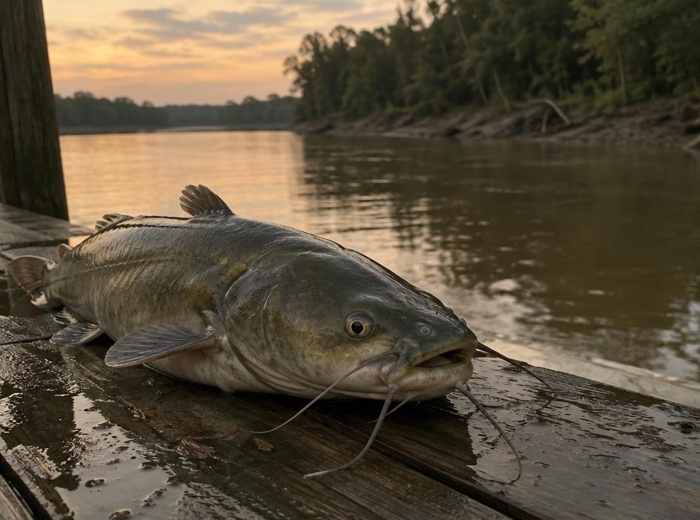
Rivers, reservoirs, southern lakes
Bottom-oriented fish with excellent senses of smell and taste. Channel, blue, and flathead catfish occupy different habitats and reward patience and simple rigs.
Regional fishing destinations
Each region page explains the landscape, the water, and the agency that manages it — starting points, not regulation manuals.
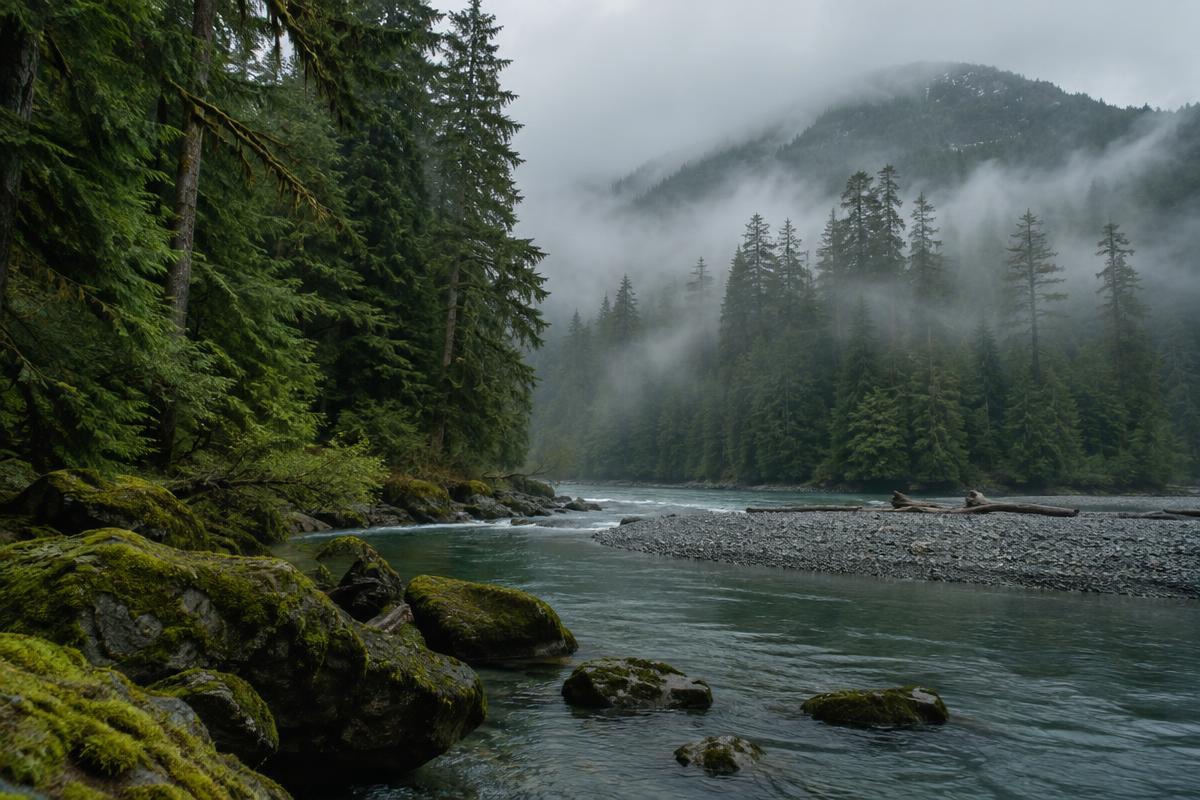
Rain, rivers, and the last great conifer forests
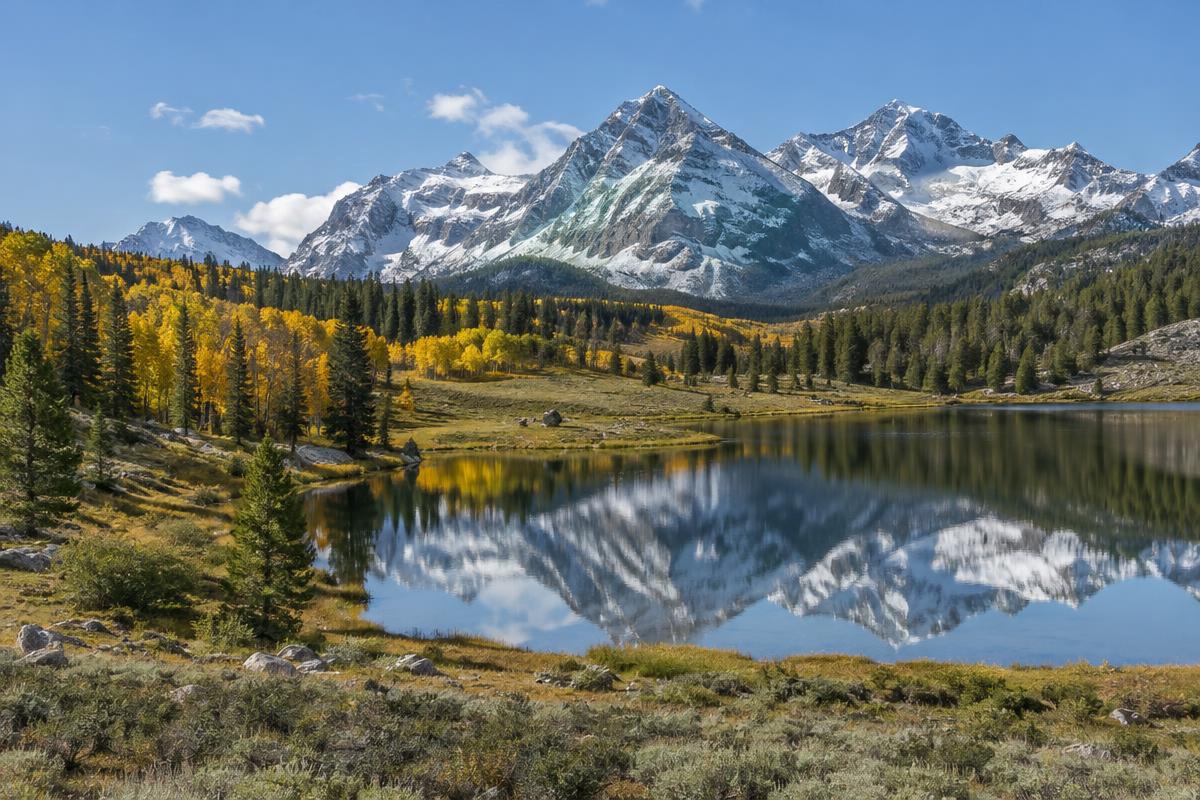
High country water and big open country
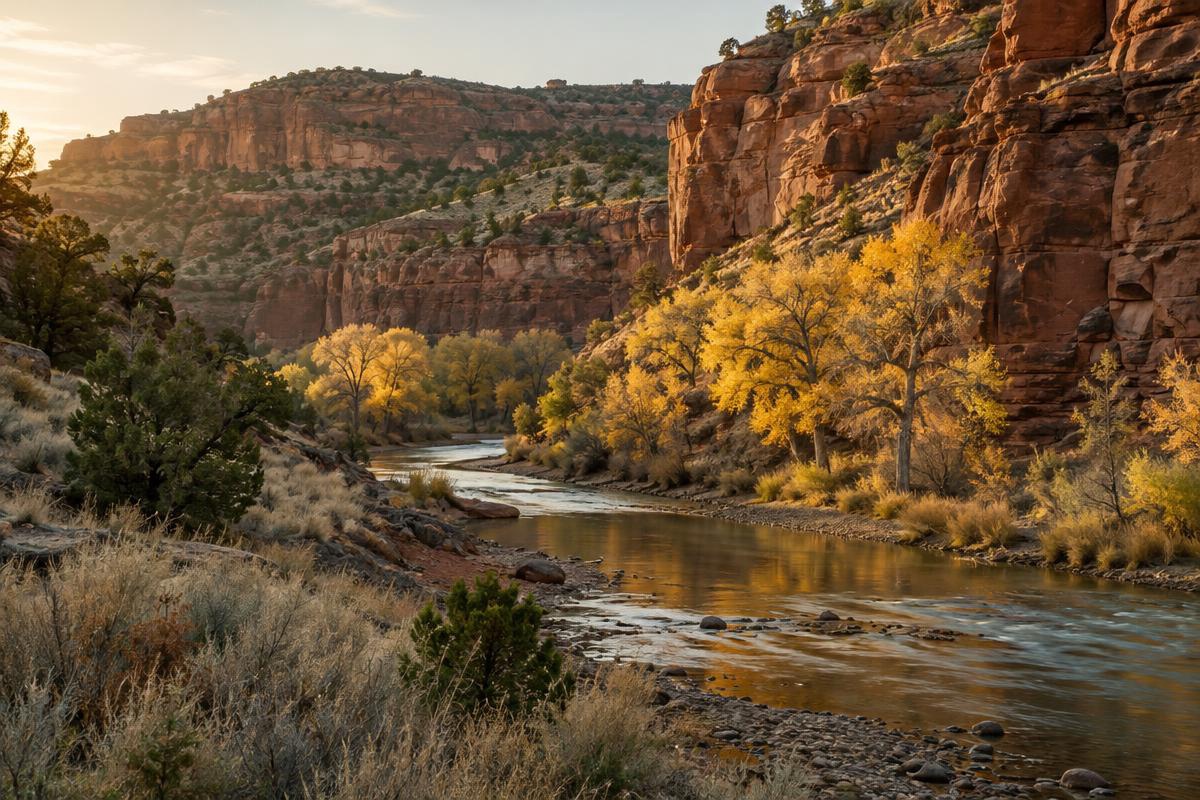
Desert water, canyon country, and surprising fisheries
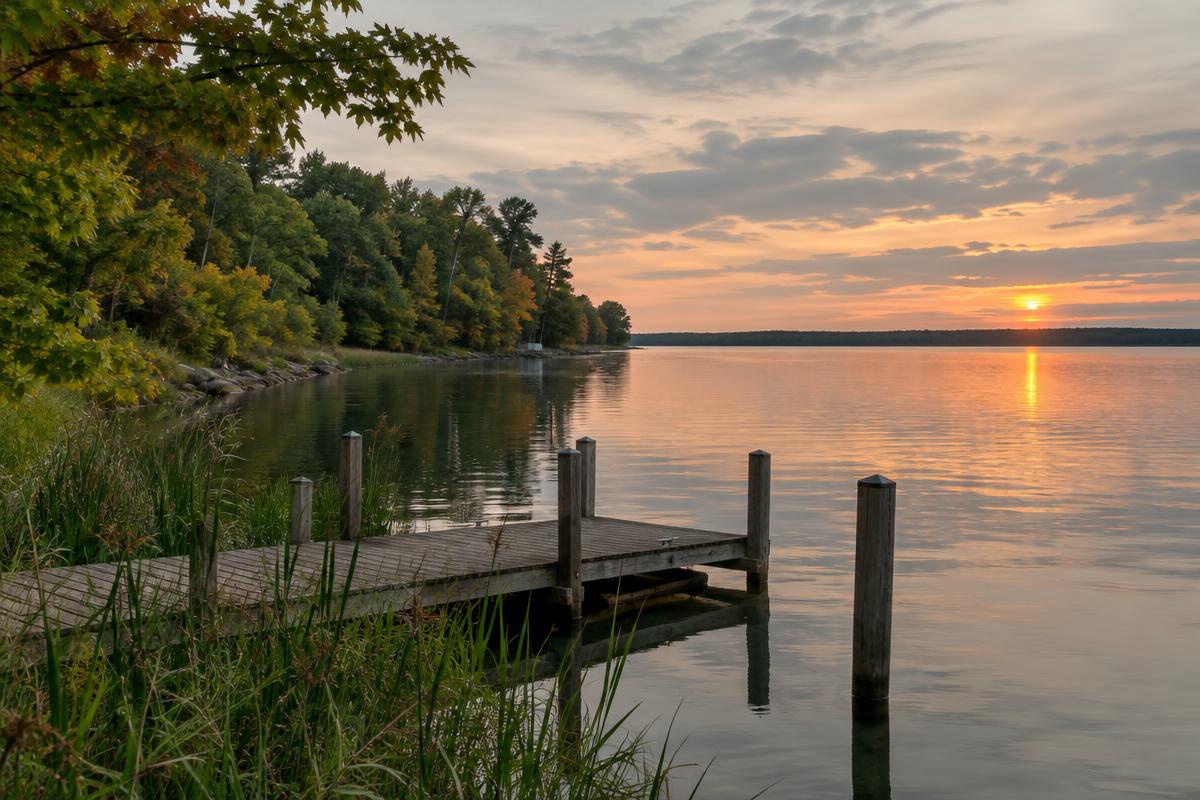
Ten thousand lakes and one inland sea
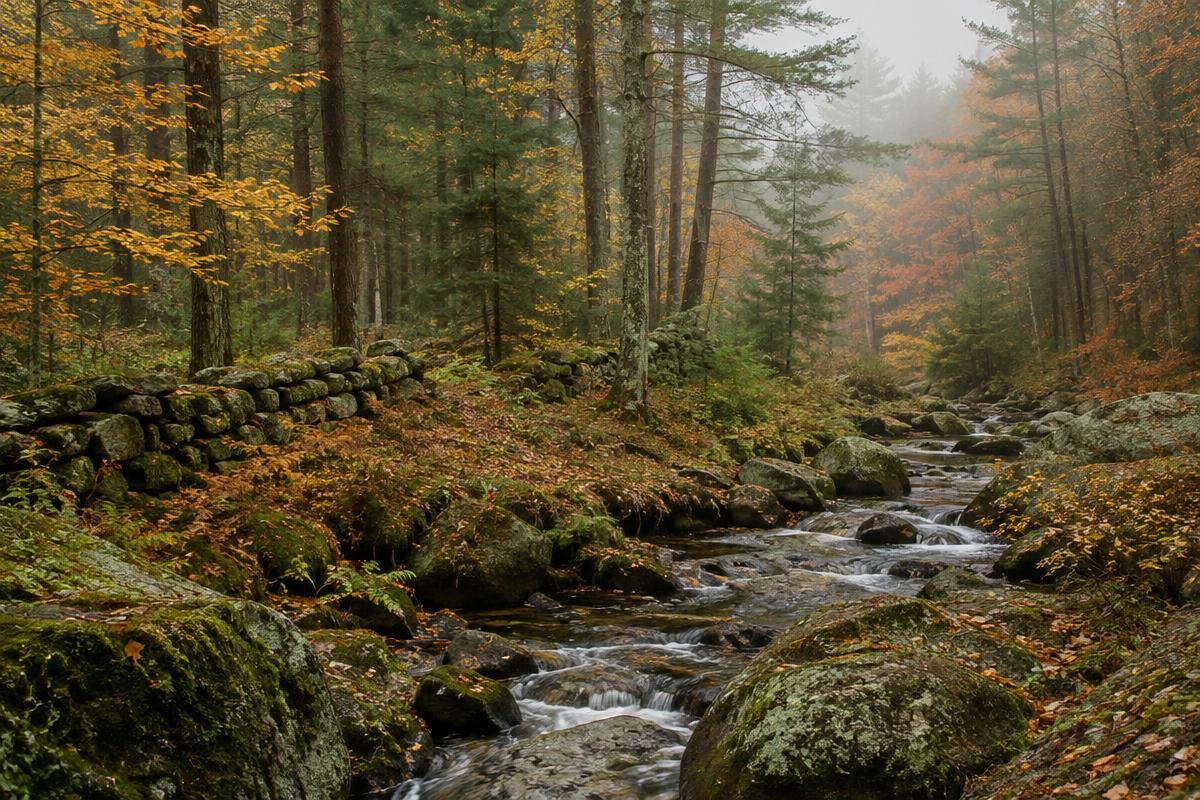
Old forests, cold brooks, and a working coast
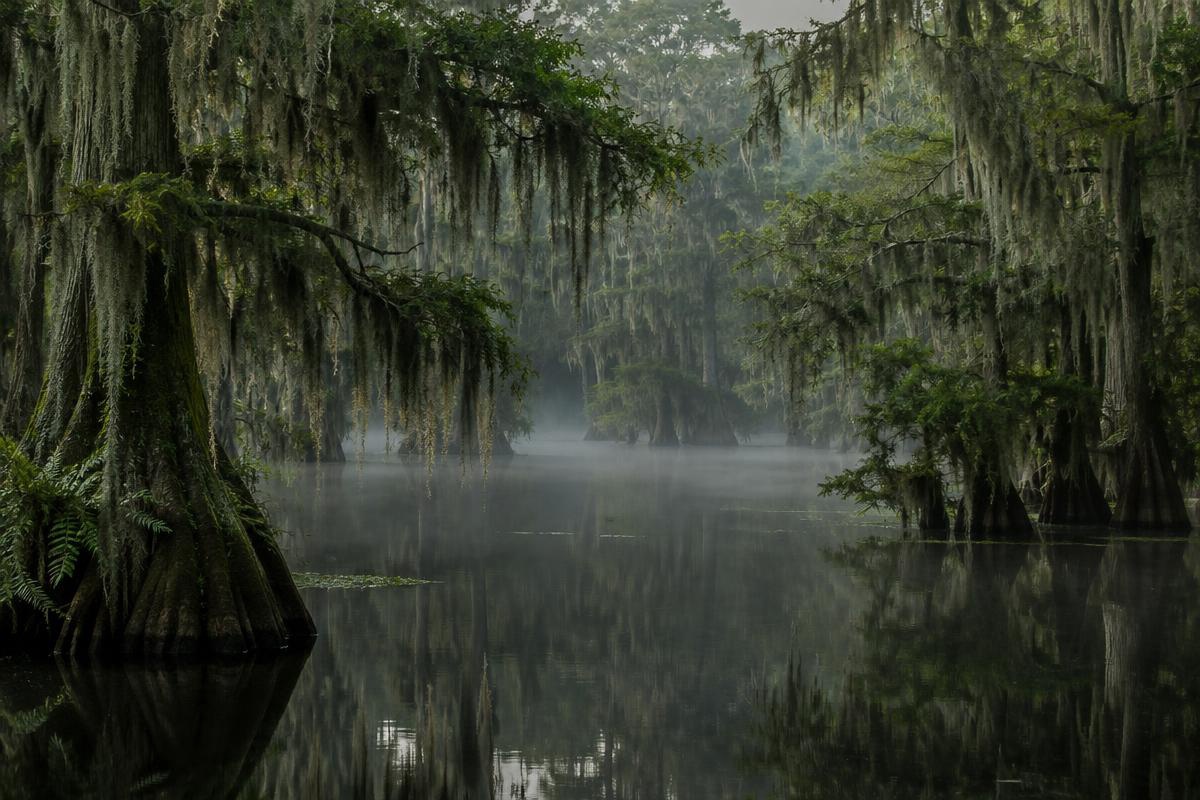
Swamp, sound, and southern rivers
Equipment
Rods, reels, lines, and terminal tackle are tools with specific jobs. Match power and line class to the fishing you do, maintain what you own, and spend the savings on time on the water.
Responsible fishing
Related reading
October 15, 2026
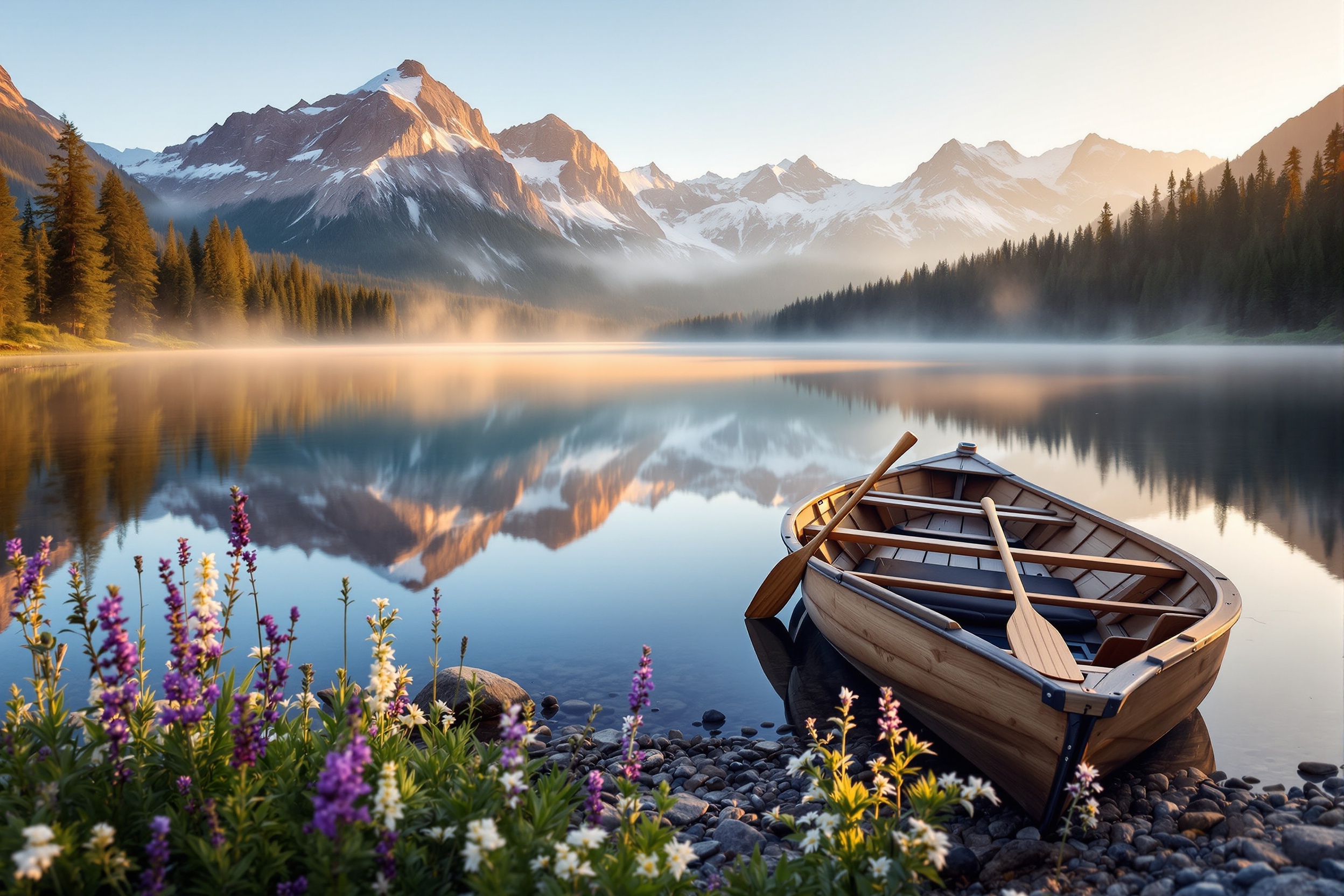
A practical comparison of northern lakes, reservoirs, and mountain lakes for visitors weighing access, shoreline character, habitat, clothing, and time of day.
Read More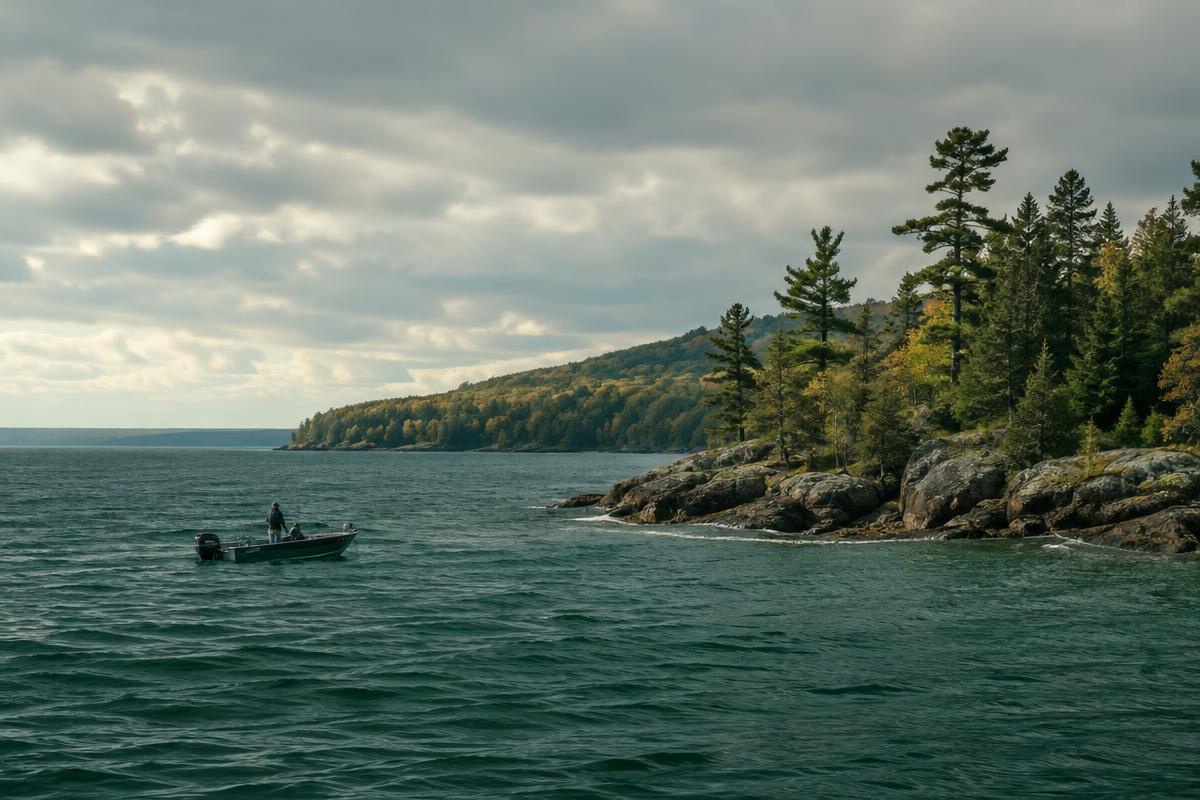
September 24, 2026
A useful shoreline does not have to be famous or remote. Start with the access map, match the site to the day's conditions, and leave room for a change of plan.
Read More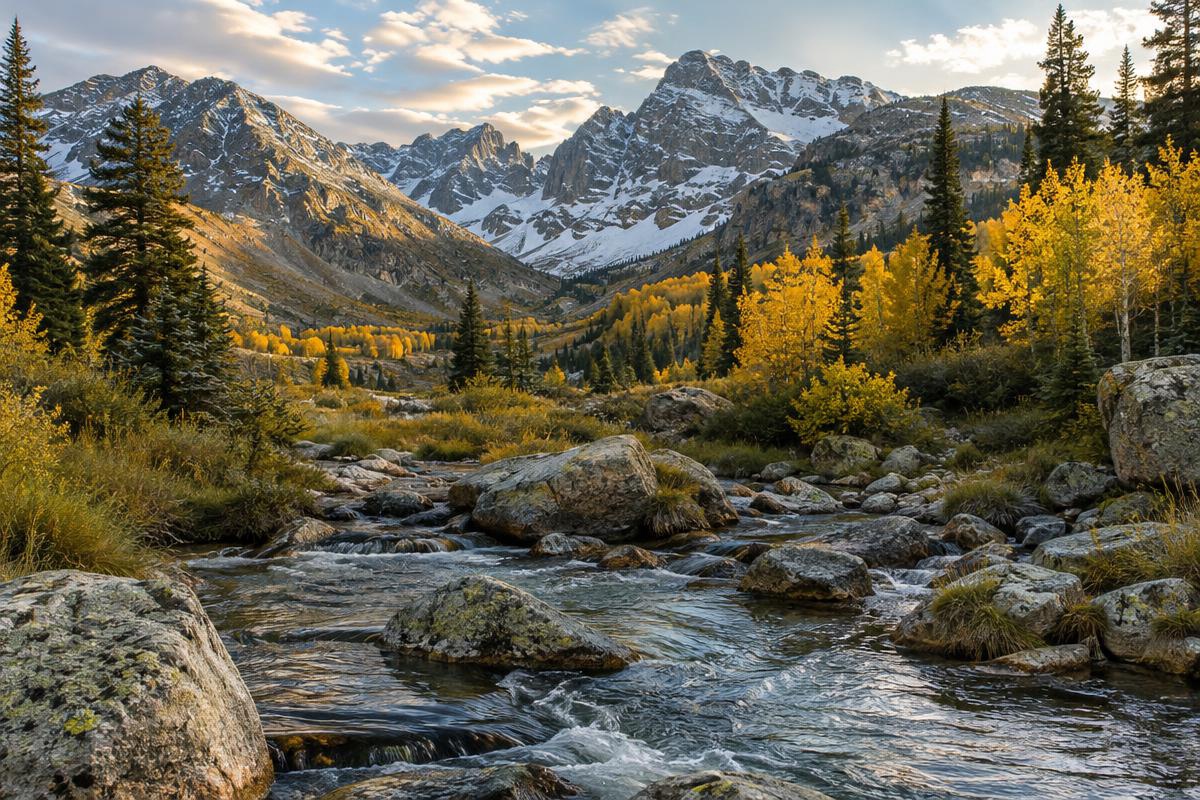
July 23, 2026
The right document answers the right question: whether you can reach an area, follow a route, or drive there today.
Read MoreSearch the water
Try searching for “Great Lakes”, “whitetail”, or “conservation”.