What Makes a Freshwater Lake Worth a Weekend?
A practical comparison of northern lakes, reservoirs, and mountain lakes for visitors weighing access, shoreline character, habitat, clothing, and time of day.
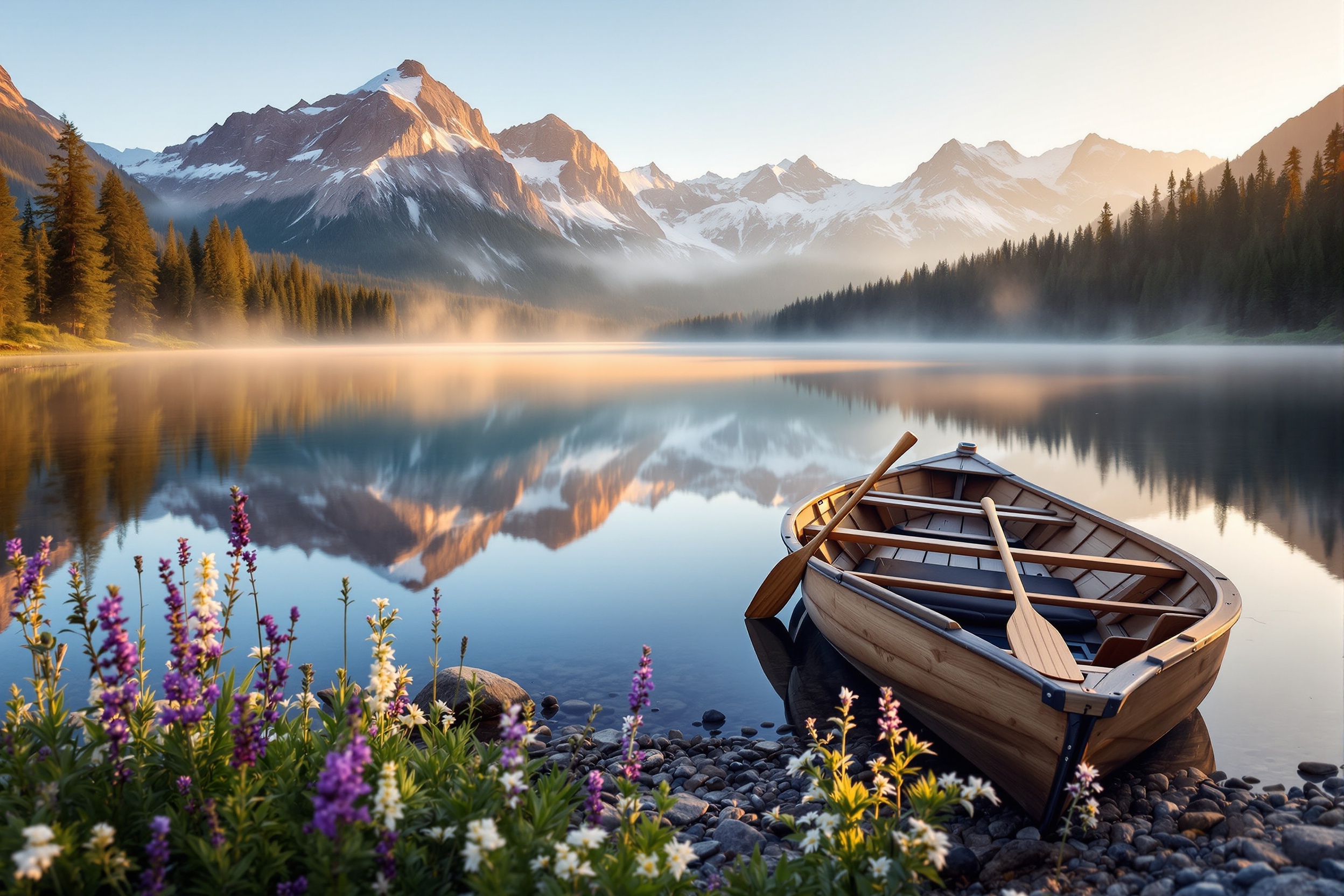
Calm freshwater lake ringed by pine forest and distant mountains at golden hour
Getting started
A lake that looks inviting on the map can be a poor choice for a short trip. Check where you can park, how far you can walk along public shore, and when you need to turn back. Those three details matter more than how the lake looks in a photo.
Match the lake to the access plan
You want to be able to carry a lot of gear. Look for a lake with a broad, shallow basin and loads of shoreline made up of useful pieces of lake front – launch sites, fishing piers, walking trails, large areas of open shore. A short walk from the car is better than a long walk to a scenic viewpoint, especially if the shoreline is to be wet and irregular underfoot.
Access to lakes on man-made reservoirs can vary greatly from one location to another. As water is withdrawn from the lake, large areas of mud, rock, brush and even steep banks of soil may be exposed. While a lake with boat launches may have ideal water access, the shore may have little level ground and no shade. Check the access description for the site you are planning to visit for restrictions and look for an alternate site with public access.
A mountain lake is usually accessed from a few pullouts or even trailheads with developed shore areas. These may be only a short distance from parking but may entail some elevation gain, rough terrain or even a steep descent. So while a level parking area with room to turn around is the ideal for a day trip in limited daylight, the approach to the lake itself may be very different.
Choose the shoreline you can use
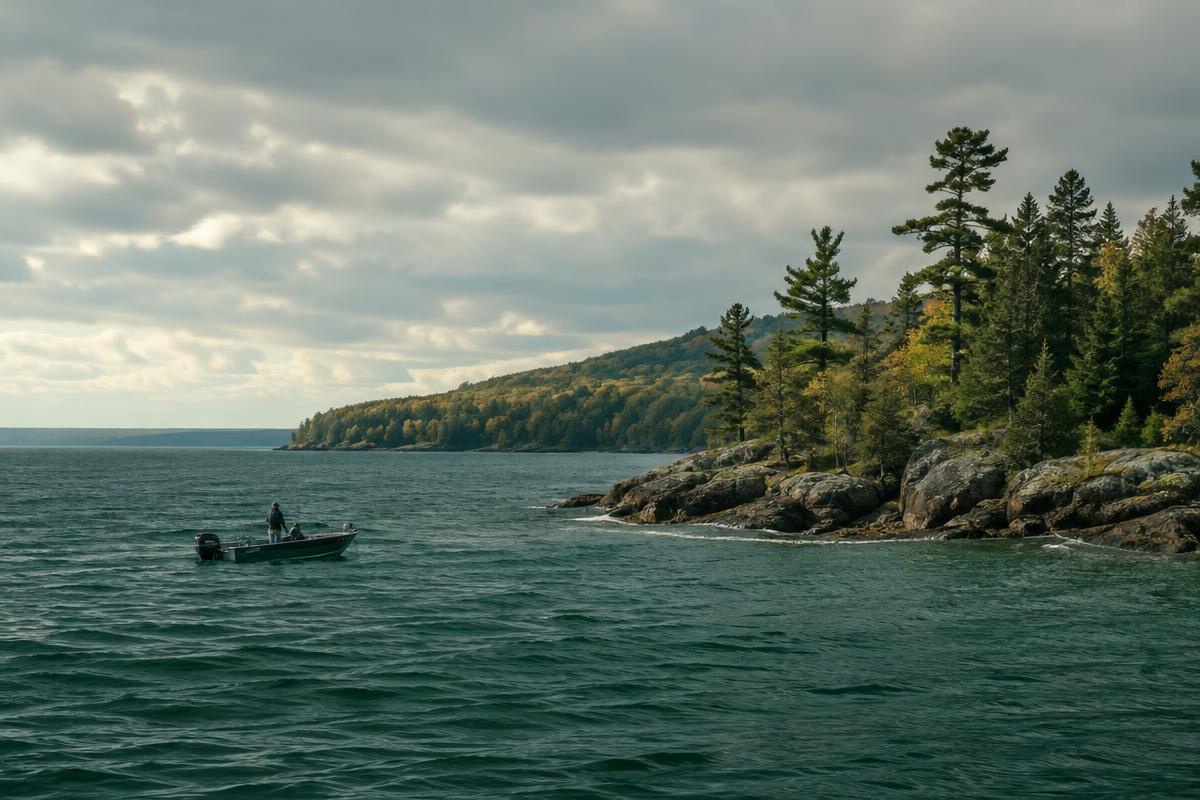
A northern lake has the greatest variety of shoreline so a short walk may reward with several different types of shoreline. As with all lakes the ground will be damp and there will be insects about. Wear waterproof footwear and bring a wind-blocking layer.
Shorelines of reservoirs often are transitional. Drawdowns expose mud, rock, brush, standing trees and old roads and beaches. These features make for an interesting exploration of the shoreline’s history. Broad, exposed areas of shoreline, on the other hand, are not ideal for long sojourns here. Choose a site with good walking surface, suitable shade, and convenient return to car.
The shorelines of mountain lakes are often made up of rock and can provide good views but little space for sitting. While a lake’s shoreline may look like good access from a road or even a scenic overlook, in reality, approach to the shoreline can be steep and the surface of the shoreline very rough. Be sure to keep food close and wildlife at a distance. Do not sit on the very wet margin of a lake or on top of nesting cover.
Let arrival time determine the outing
An early morning start is best if there is good access and you are familiar with the route in very low light. It means you can be on the water before any wind has developed and when it is coldest of the day.
Late afternoon: Good for a casual day at the lake to go for a short walk on the shore, to set up chairs and have a meal on the shore. Need to pay close attention to time to ensure to have enough time to walk back to the car. Remember that the mountain lakes have very cold and dark shaded areas on the shore.
A mild forecast does not necessarily mean that a warm shoreline will be available. The lake’s shoreline can be in shade while other areas are exposed to wind and change rapidly in terms of temperature. A reservoir’s open banks can also become unpleasantly windy during the day.
Build the weekend around two access points
For a short trip it’s smart to identify one public access point as primary and a second as an alternative before you leave home. Compare parking distance, grade of shoreline, potential for sitting and time to return to your vehicle to these ends. A northern lake offers flexible times to go while walking between the different types of shoreline is part of the fun. Reservoirs are best when you can go inspect the shore line and head off to another section of bank if first is too steep, exposed or crowded. Mountain lakes are best when access is clear, you have sufficient time and you’re experienced enough that the lack of flat ground won’t be a problem.
A northern lake is easiest to visit when you can wander between different types of shoreline. A reservoir is easiest to visit when you are willing to check out the different banks and go to different areas. Mountain lakes are best visited when you can easily access the lake and you have sufficient time to get to and around the lake and have sufficient space on the lake’s shoreline to spread out and be comfortable when there is little flat ground.
Whether you choose the northern lake, the reservoir, or the lake at the mountains, bring a warm layer, a shell, a headlamp, water, and a dry change of clothing. The best lake is one whose access and shores are worthwhile even if the weather turns, the first area becomes overcrowded or the day ends before you have time to make your way back in poor light.
A note on regulations
Fishing and hunting rules are set by state and federal agencies and change annually. This article describes general outdoor practice, not current law. Confirm licenses, seasons, limits, and access with the managing agency before you go.